
Introduction
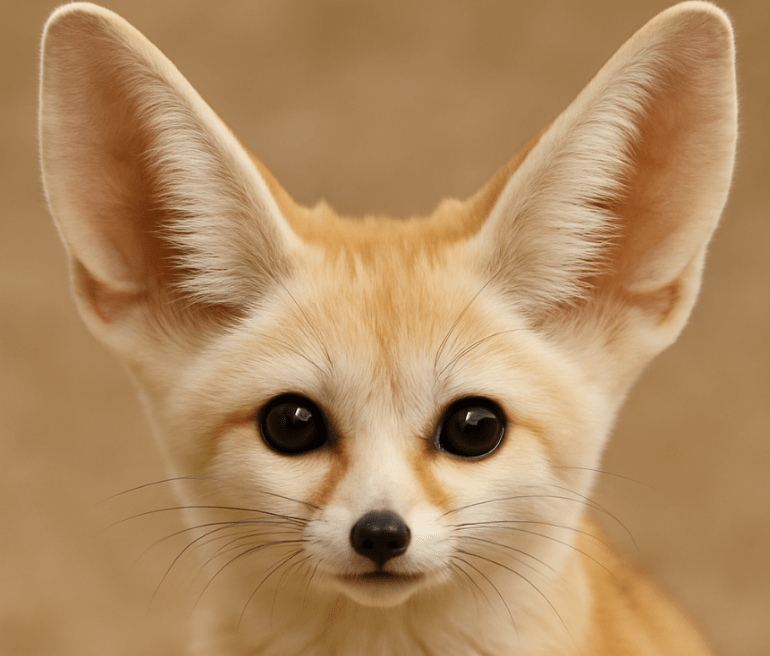
The Fennec Fox, with its massive ears and tiny frame, has earned the title of the cutest desert survivor. Native to the Sahara Desert and known for its extraordinary adaptations, this pint-sized fox is more than just a pretty face. Whether you’re an aspiring exotic pet owner or simply fascinated by wildlife, this article dives deep into everything you didn’t know about the Fennec Fox.
What Makes the Fennec Fox Unique?
Giant Ears, Big Advantage
The Fennec Fox’s most noticeable feature is its 6-inch-long ears, which serve more than just a cosmetic purpose:
-
Act as heat regulators to survive scorching desert climates
-
Help detect underground prey like insects and rodents
-
Allow acute hearing that can detect even the quietest movements
Adapted for Desert Life
This species thrives in environments most creatures avoid:
-
Thick fur on feet to prevent burns from hot sand
-
Creamy coat that reflects sunlight
-
Nocturnal behavior to escape extreme daytime temperatures
Tip: Fennec Foxes are strictly nocturnal, so they are most active during cooler desert nights.
Size, Lifespan, and Physical Characteristics
-
Size: 9–16 inches long (not including the tail)
-
Weight: 2.2–3.3 pounds
-
Tail: 7–12 inches, often bushy and black-tipped
-
Lifespan: 10–14 years in captivity, around 10 years in the wild
These traits make them the smallest of all fox species.
Fennec Fox Diet in the Wild and Captivity
Wild Diet
In their natural environment, Fennec Foxes eat:
-
Rodents
-
Insects (like locusts and beetles)
-
Eggs
-
Plants and fruits for hydration
Captive Diet
When kept as exotic pets or in zoos, their diet consists of:
-
High-quality cat or dog food
-
Insects such as crickets and mealworms
-
Fruits like bananas, apples, and berries
-
Occasional eggs or raw meat
Note: Fennec Foxes require a carefully balanced diet rich in protein and fiber. Improper feeding can lead to health issues like obesity or malnutrition.
Source: PetMD – Fennec Fox Care
Social Behavior and Personality Traits
-
Highly social animals, especially in the wild
-
Live in family groups of up to 10
-
Use a wide range of vocalizations including yips, barks, and purrs
-
Territorial but rarely aggressive
-
Extremely playful and curious
They also love to dig, so if you plan to keep one, be prepared for some landscaping!
Can Fennec Foxes Be Kept as Pets?
While undeniably adorable, Fennec Foxes aren’t ideal for everyone.
Legal Considerations
-
Legal in some U.S. states (e.g., Nevada, Florida) with permits
-
Banned in others (e.g., California, Hawaii, New York)
Resource: U.S. Fish and Wildlife Service – Exotic Pet Laws
Challenges of Keeping One
-
High energy levels, need space to roam
-
Can’t be fully litter-trained
-
Nocturnal habits may disrupt households
-
Require specialized exotic vet care
Tip: Always check with your local animal regulatory board before acquiring a Fennec Fox.
Fennec Fox Reproduction and Family Life
-
Mating season: January through March
-
Gestation period: 50–52 days
-
Litter size: 2–5 kits
-
Kits are born blind and helpless
-
Both parents contribute to rearing
Interesting Fact: Fennec Foxes are monogamous and often form lifelong pairs.
Conservation Status
The Fennec Fox is not currently endangered, but it faces several threats:
-
Habitat disruption due to human expansion
-
Illegal pet trade
-
Hunting for fur and local consumption
Conservation Efforts
Organizations like the IUCN Red List monitor Fennec populations and provide habitat protections in several regions.
Callout: Support organizations focused on desert conservation to help protect their native ecosystem.
Differences Between Fennec Fox and Other Foxes (No Table Used)
-
Size: Fennec Foxes are the smallest fox species.
-
Habitat: Unlike Red or Arctic foxes, they thrive in desert climates.
-
Behavior: Fennec Foxes are nocturnal and highly social.
-
Ears: Their ears are much larger, aiding in both thermoregulation and hearing.
Human Fascination and Cultural Significance
-
Commonly featured in cartoons, documentaries, and viral social videos
-
Symbol of resilience and cuteness in harsh conditions
-
Inspiration for characters in animated films (like Zootopia)
Tips for Responsible Ownership (If Legal)
If you still want one, follow these guidelines:
-
Secure a legal permit in your state
-
Have a vet who specializes in exotic animals
-
Enrich their environment with tunnels and digging spots
-
Feed a proper diet and allow for natural behaviors
Warning: Avoid impulse buying from breeders who do not follow ethical practices.
Fun Facts About the Fennec Fox
-
Can leap up to 2 feet vertically despite their size
-
Communicate using 30+ vocalizations
-
Have fur inside their ears to keep out sand
-
Can survive without free-standing water for long periods
FAQs About Fennec Foxes
Q1: Are Fennec Foxes legal pets in the U.S.?
A: They are legal in some states like Florida and Texas, but illegal in others like California. Always check your local laws.
Q2: Do Fennec Foxes smell?
A: Unlike ferrets or skunks, Fennec Foxes have very little body odor. However, their urine can be pungent.
Q3: Can they be trained like dogs or cats?
A: They can learn basic commands but are not fully domesticated. Expect wild behaviors.
Q4: Are Fennec Foxes endangered?
A: No, but they are protected in parts of Africa due to poaching and habitat destruction.
Q5: How much does a Fennec Fox cost?
A: Reputable breeders charge between $1,500–$3,000. Beware of illegal or unethical sellers.
Final Thoughts
The Fennec Fox stands out as one of nature’s most charming and resilient creatures. From surviving the blazing Sahara to winning the hearts of animal lovers worldwide, this desert dweller is truly one-of-a-kind. While tempting to own as a pet, it’s vital to approach that decision responsibly, with deep respect for its natural behavior and habitat.